Microsoft
Windows music visualizers
My last year at Microsoft I worked on a dream job, shipping a music visualizer for an OS, in this case Windows.
On the team Release Labs, I worked with several engineers to upgrade the two music visualizers they had already made from proof of concept tech demo to high fidelity, visually captivating music visualizers,iterating in HLSL and C++ on how the music visualizers would look, respond to music and change over time.
Ultimately, the whole team got re-orged into something else when Microsoft decided to step away from creator tools, but I’m quite proud of the work we did, getting everything to a shippable state.
Challenges
- ensuring the visualizer would look good for as wide a range of music as possible
- iterating outside of a traditional game engine, working purely in written code
- building out systems to keep things feeling dynamic and fresh, not repetetive
Ribbons
FFT history music visualizer
The ribbons visualizer started as a classic FFT history visualization, where the amplitude is represented as height, but what I added was:
- ambient displacement: sine waves would move the ribbons to make them feel like they were flowing in the wind, travelling through space
- gradient mapping: mapping color with height as well as pulsing different colors through the ribbons
- camera & preset blending: Creating stylistically different presets for the ribbon, and blending smoothly between them as well as dynamic camera moves from different angles
Dottopia
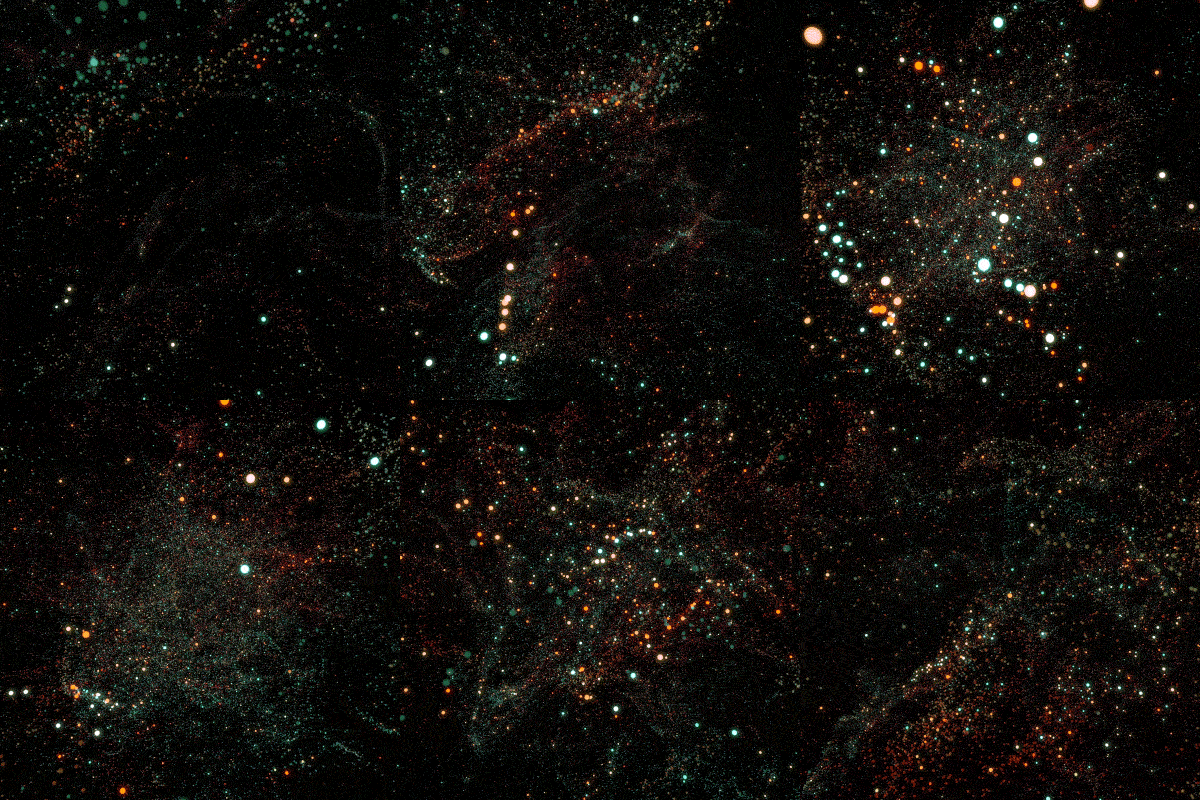
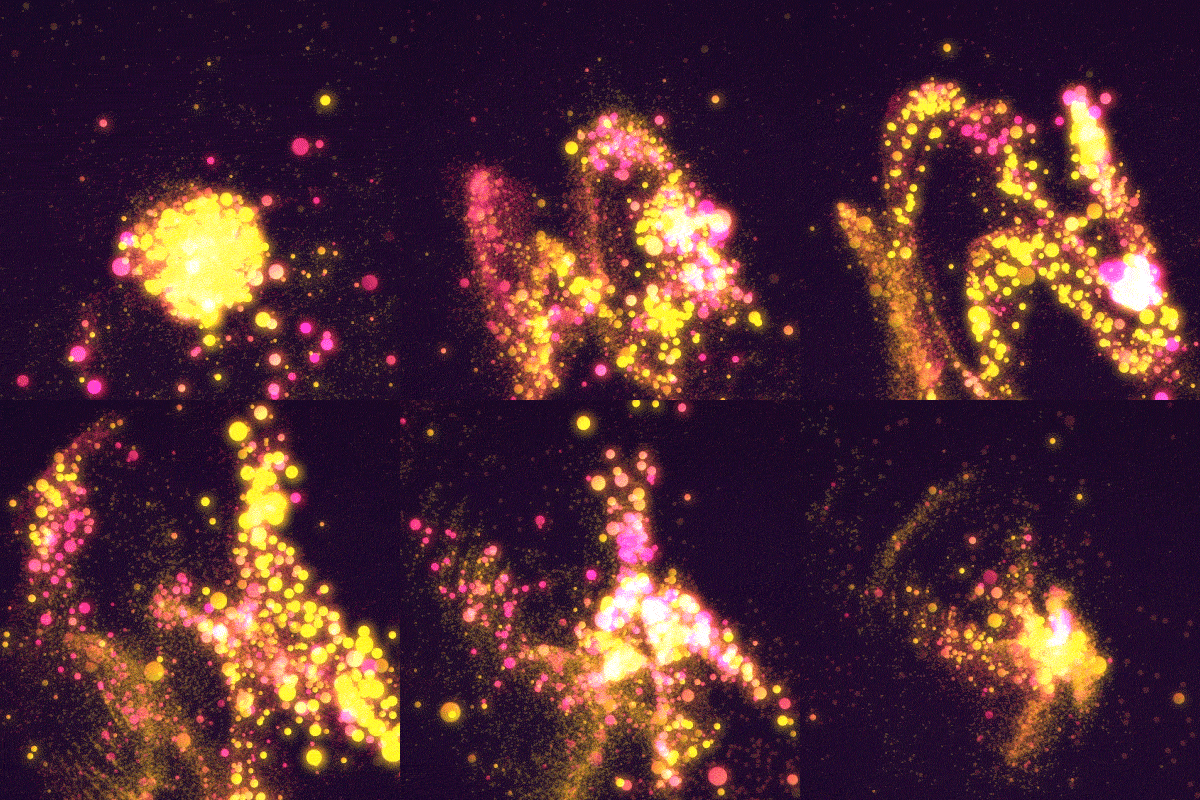
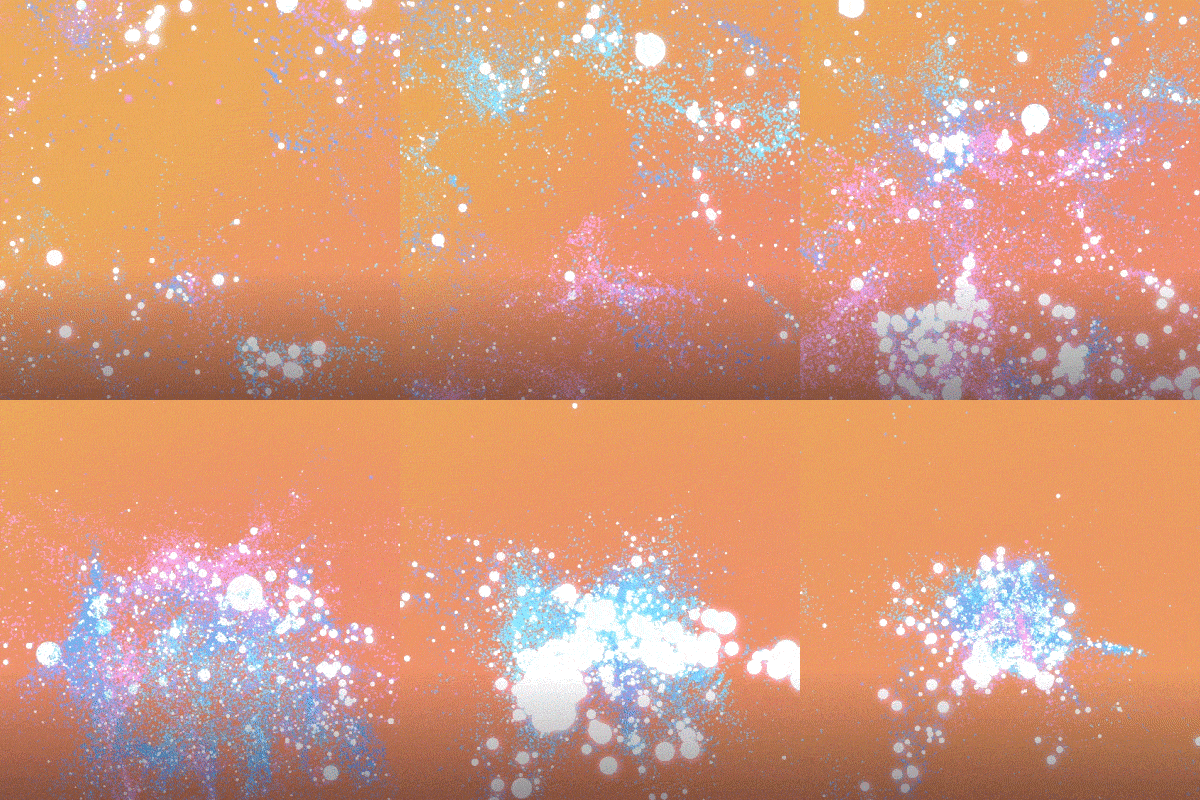
Particle system music visualizer
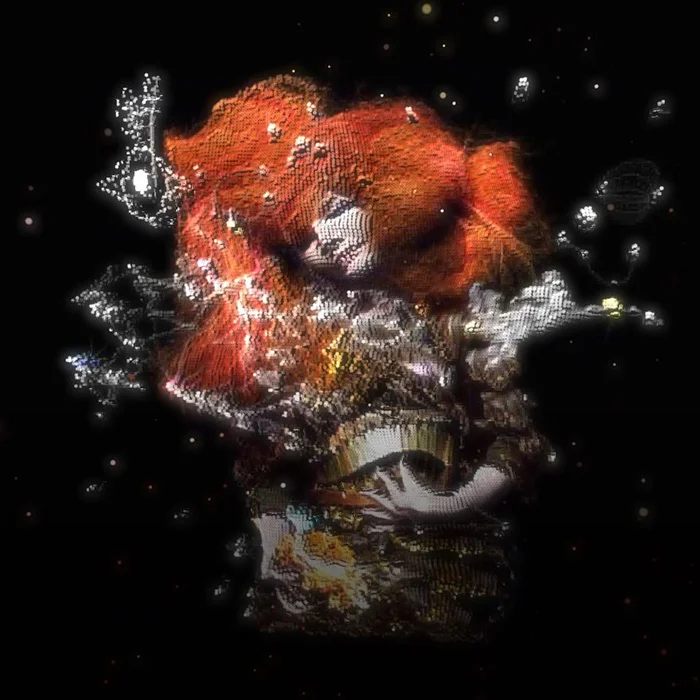
The dottopia visualizer was an amorphous cloud of particles that could seamlessly transition between different states affecting the particle’s velocity:
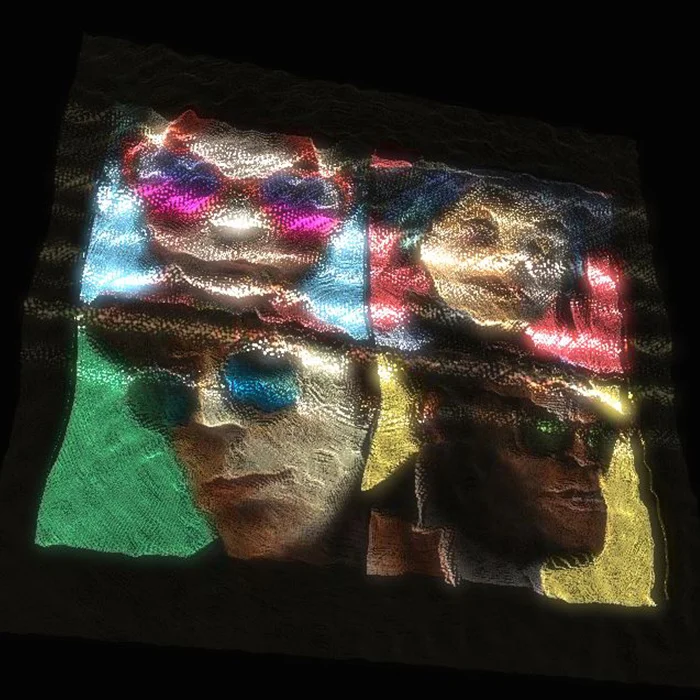
- album art: the dots would form a grid and take on the color of the current song’s album art. Displacement effects would move them over time
- lissajou: the dots would get forces that would accelerate them to match various 3D Lissajou curves
- audio reactive: I used the instantaneous amplitude and an average RMS amplitude to derive forces that pushed the particles in and out between soft and loud pockets of the music
Audio-reactivty was driven by a live FFT of the music, mapping low, mid and high bands to different groupings of particles.